
Keeping Your Dog Safe and Happy When the Temperature Drops
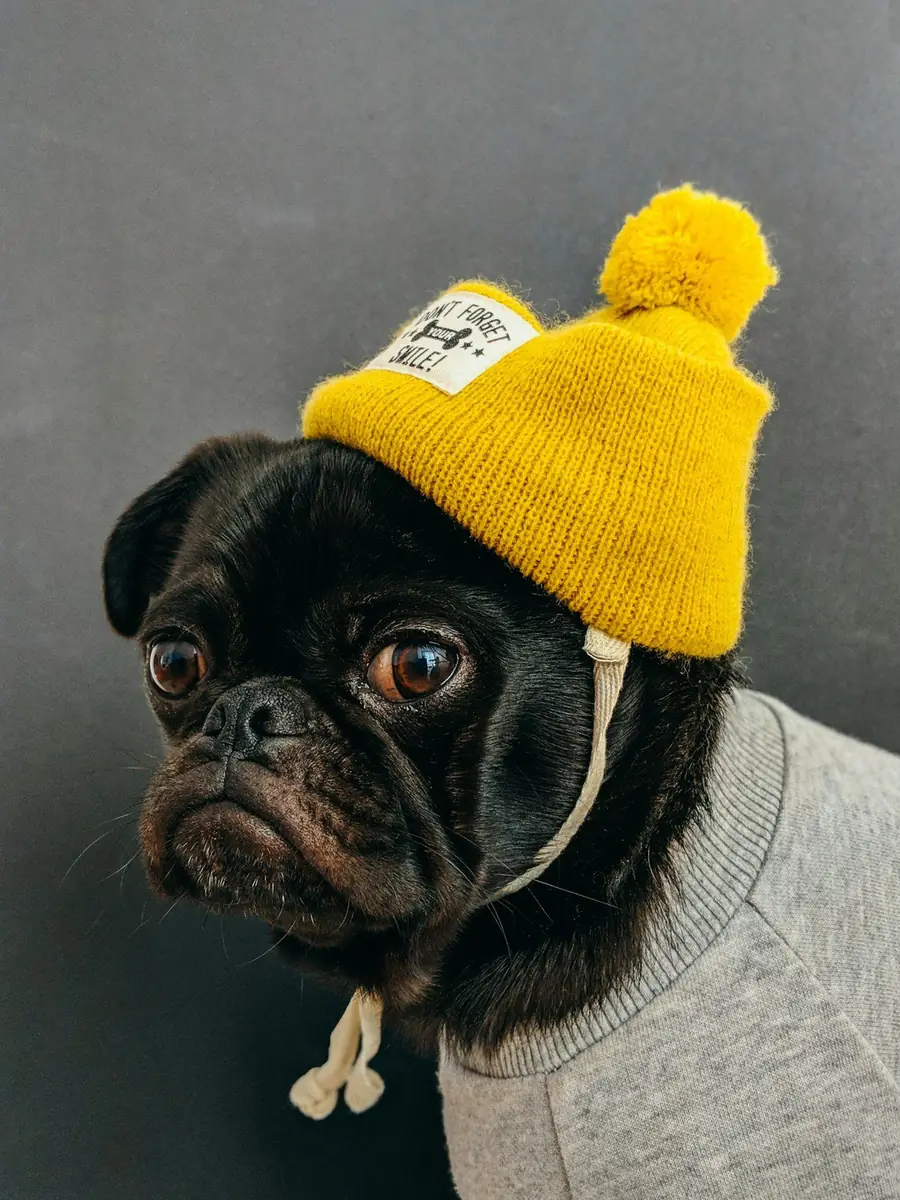
Indiana winters can sneak up on us, and here at Rin Tin Inn we see every season through the eyes of the dogs we care for. Cold weather brings fresh snow to romp in, but it also brings real risks like frostbite, hypothermia, and toxic de-icing chemicals. With a little preparation, you can keep your pup safe, comfortable, and happy all winter long. Here's what veterinary experts recommend, plus a few tips from our own team.
Not Every Dog Handles the Cold the Same Way
It's a common myth that a fur coat makes dogs immune to the cold. According to the American Veterinary Medical Association (AVMA), every dog's cold tolerance depends on their coat, body fat, activity level, and overall health. Even thick-coated breeds like huskies shouldn't spend long stretches outside in below-freezing temperatures.
Some dogs need extra attention when the temperature drops:
- •Short-haired dogs feel the cold faster because they have less natural insulation.
- •Short-legged dogs get cold quickly because their bellies brush against snowy ground.
- •Puppies are at higher risk for frostbite, according to the University of Connecticut Extension.
- •Dogs with health conditions such as diabetes, heart disease, kidney disease, or Cushing's disease may struggle to regulate their body temperature. The AVMA also notes that cold weather can make arthritis worse.
A winter wellness checkup with your veterinarian is a great way to learn your own dog's limits before the coldest weather arrives.
Know the Warning Signs
Hypothermia and frostbite can set in faster than many owners expect, so it pays to know what to watch for.
Hypothermia is a dangerous drop in body temperature. The AVMA advises bringing your dog inside right away if they are:
- •Whining or shivering
- •Acting anxious
- •Slowing down or stopping
- •Seeming weak
- •Looking for warm places to burrow
Frostbite is when body tissue freezes and becomes damaged. It most often affects the nose, ears, paws, and tail tip. Signs include skin that is cold, painful, or discolored (often pale or gray). Frostbite can be hard to spot, and the damage sometimes isn't obvious for several days.
If you suspect hypothermia or frostbite, call your veterinarian immediately.
Winter Tips From Our Team (and the Experts)
A good rule of thumb from the ASPCA: if it's too cold for you, it's probably too cold for your dog. Here are our favorite ways to keep pups safe this season.
Keep walks short. The AVMA recommends shortening walks in very cold weather. Several quick potty breaks beat one long, chilly outing.
Bundle up. A sweater or dog coat helps short-coated dogs and any pup who seems bothered by the cold. Booties protect paws too, as long as they fit well.
Wipe paws after every walk. Ice, salt, and de-icing chemicals can irritate paw pads and are harmful if licked off. Wipe your dog's feet, legs, and belly when you come inside, and check for cracked pads or redness between the toes.
Choose pet-safe ice melt. Use pet-friendly de-icers on your own walkways.
Clean up antifreeze right away. Even a small amount of antifreeze is deadly to dogs. The ASPCA suggests choosing products made with propylene glycol rather than ethylene glycol.
Never leave your dog in the car. In winter, a parked car holds in the cold like a refrigerator.
Keep ID tags on. Dogs can lose their scent in the snow, and the ASPCA reports that more dogs go missing in winter than in any other season.
Stay off frozen water. Keep your dog away from frozen ponds, lakes, and streams.
Go easy on baths. Frequent bathing in winter strips natural oils and can lead to dry, itchy skin.
Keep them inside. The AVMA recommends that dogs stay indoors during cold weather, especially in extreme cold.
Beat the Winter Blues at Rin Tin Inn
Shorter walks don't have to mean a bored, restless pup. Dogs still need exercise and social time in winter, and that's where we come in.
Our full-day PlayCare gives your dog plenty of supervised play and socialization, so they come home happy and tired. On cold days, PlayCare pups stay mostly indoors, heading out only for quick potty trips or some outdoor play on a milder winter day. Whenever they're outside, our team supervises closely and watches for any signs that a dog is getting too cold. If you're traveling over the holidays, our climate-controlled luxury suites keep your pup cozy no matter what the weather is doing outside. And when winter leaves your dog with dry skin or salty, muddy paws, our groomer Lily can help them look and feel their best.
New to Rin Tin Inn? Create your free account on our customer portal or the Gingr app, call us at (765) 362-7113, or stop by 405 Waynetown Rd in Crawfordsville. We'll get your dog scheduled for a free Intro Interview so they can meet the crew. Stay warm out there!
Sources
- •American Veterinary Medical Association, Cold Weather Animal Safety
- •American Veterinary Medical Association, Cold Weather Hazards (client handout)
- •ASPCA, Cold Weather Safety Tips
- •ASPCA Animal Poison Control Center, Winter Weather Is Upon Us: Are You and Your Pets Prepared?
- •University of Connecticut Extension, Cold Weather Safety for Dogs and Cats