
Tick Season in Crawfordsville: How to Protect Your Dog or Cat from Fleas and Ticks
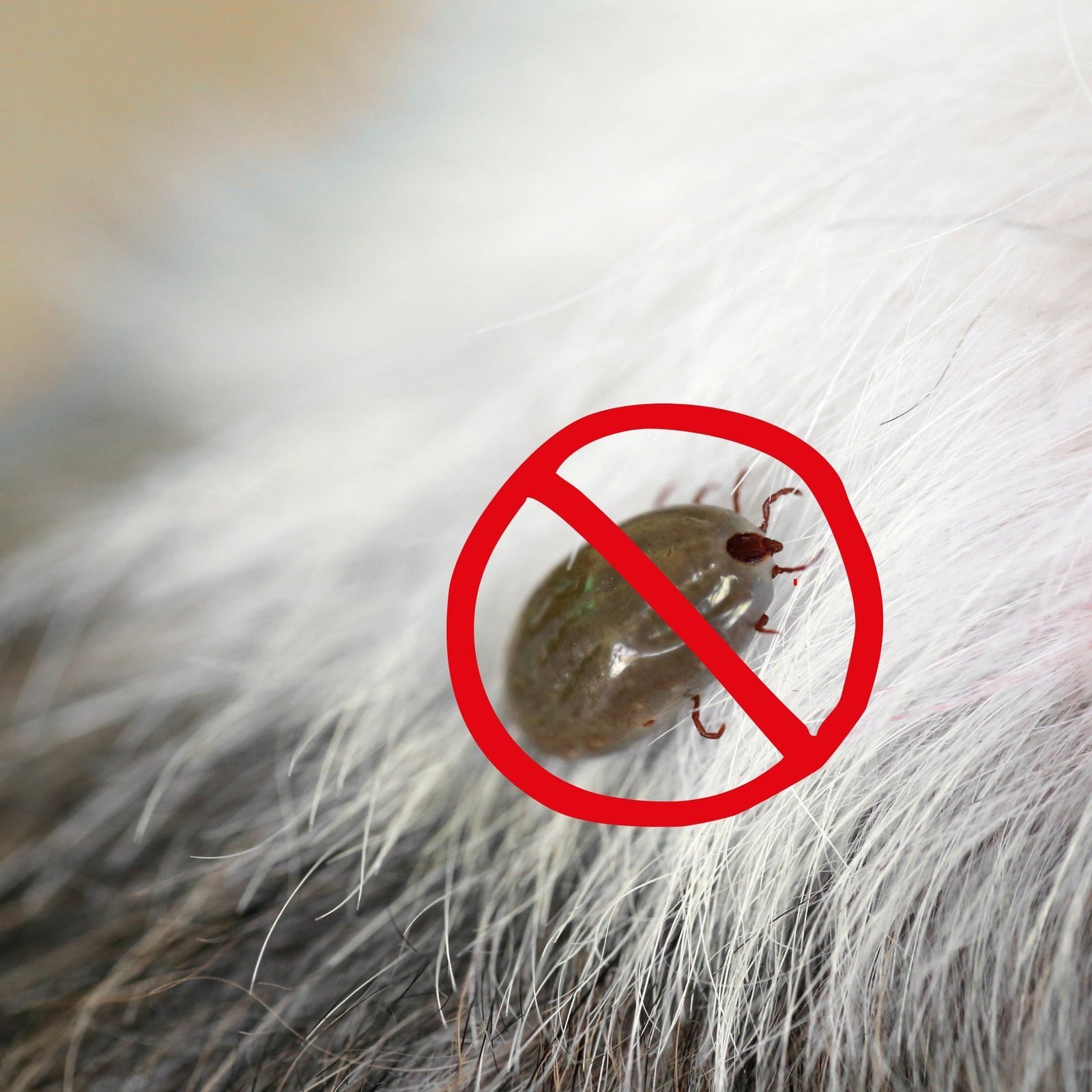
Warm weather in Crawfordsville, Indiana means longer walks, backyard playtime, and more outdoor adventures for our pets. At The Rin Tin Inn, we love seeing our daycare and boarding guests enjoy outdoor enrichment and fresh air.
However, the rising temperatures also signal the return of a less welcome guest: ticks and fleas. As a responsible pet owner, taking proactive steps is essential to ensure your furry friends remain healthy, happy, and parasite-free throughout the season.
Why Fleas and Ticks Are a Problem
Fleas and ticks aren't just a nuisance; they pose a significant health risk to both pets and humans. A minor flea infestation can quickly spiral out of control, leading to severe itching, allergic dermatitis, and even tapeworms if ingested.
Ticks are notorious for acting as vectors for dangerous diseases. When a tick latches onto your dog or cat, it can transmit serious illnesses, including:
- Lyme Disease:Can cause lameness, swollen lymph nodes, fever, and severe joint pain.
- Ehrlichiosis:Leads to lethargy, weight loss, and potentially severe bleeding disorders.
- Anaplasmosis:Often presents with symptoms similar to Lyme disease, including joint pain and fever.
When Is Tick Season in Indiana
In Indiana, ticks become active as soon as temperatures consistently stay above freezing. This means tick season generally begins in early spring (March or April) and extends well into the fall. However, some tick species, like the black-legged (deer) tick, can remain active even during mild winter days. Fleas are similarly persistent, thriving in warm, humid weather but easily surviving indoors year-round. Consistent vigilance is key!
Tips to Protect Your Dog or Cat
Safeguarding your pets from these parasites doesn't have to be complicated. Follow these essential steps:
1. Use Vet-Approved Preventatives
The foundation of parasite control is continuous preventative medication. Whether you prefer oral chews, topical treatments, or collars, consult your veterinarian to find the best option for your pet's age, weight, and lifestyle. Always ensure you are using species-specific treatments—dog preventatives can be fatal to cats.
2. Check Your Pet Daily
After any outdoor excursion, particularly in grassy, brushy, or wooded areas, perform a "tick check." Run your hands thoroughly through their coat, paying special attention to hidden areas like under the collar, inside the ears, between the toes, under the front legs, and around the tail.
3. Remove Ticks Safely
If you find an embedded tick, don't panic. Use fine-tipped tweezers to grasp the tick as close to the skin's surface as possible. Pull upward with steady, even pressure. Avoid twisting or jerking, as this can cause the mouthparts to break off and remain in the skin. Clean the bite area with rubbing alcohol or soap and water.
4. Keep Your Yard Tidy
Make your yard less inviting to pests. Mow the lawn regularly, clear tall grasses and brush around homes and at the edge of lawns, and remove leaf litter. Creating a barrier of wood chips or gravel between lawns and wooded areas can also help restrict tick migration into recreational zones.
Outdoor Fun at The Rin Tin Inn
At The Rin Tin Inn, we pride ourselves on maintaining a pristine, safe environment for all our guests. We meticulously manage our outdoor play yards to minimize the risk of pests. To further ensure a secure environment, we strictly require all dogs and cats checking in for boarding or daycare to be current on flea and tick preventatives.
By working together, we can ensure that every tail wag, sprint across the yard, and afternoon nap in the sun is safe and comfortable. If you have questions about our health policies or need to update your pet's records before their next stay, don't hesitate to contact our team!
Sources:
- •American Veterinary Medical Association (AVMA) – Ticks and Lyme Disease: https://www.avma.org
- •Centers for Disease Control and Prevention (CDC) – Preventing Ticks on Your Pets: https://www.cdc.gov/ticks/avoid/on_pets.html
- •Cornell University College of Veterinary Medicine – Flea and Tick Prevention: https://www.vet.cornell.edu
- •Purdue University Extension – Ticks in Indiana: https://extension.entm.purdue.edu/publichealth/insects/tick.html
- •Companion Animal Parasite Council (CAPC) – Tick-Borne Disease Prevalence Maps: https://capcvet.org
- •VCA Animal Hospitals – Tick-Borne Diseases in Dogs: https://vcahospitals.com