
Dog Daycare: Is It the Right Fit for Your Dog?
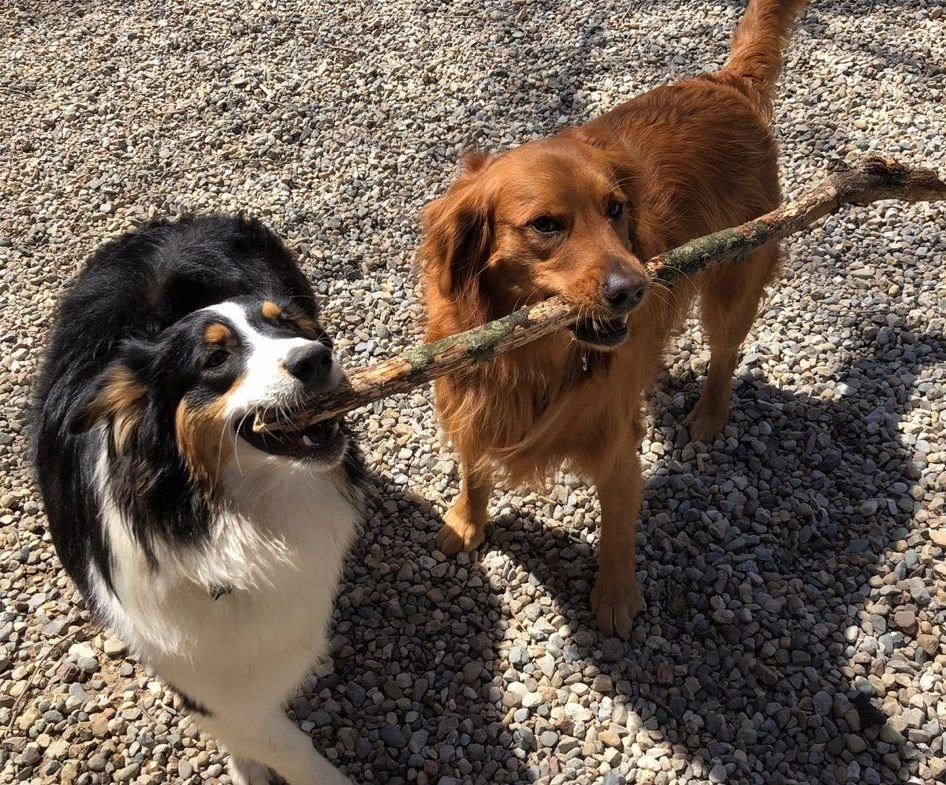
When most people imagine dog daycare, they picture happy dogs running, playing, and crashing for a nap afterward. And for many dogs, that can be true.
But daycare isn't "one-size-fits-all." Just like people, dogs have different social preferences—and those preferences can change over time. Some dogs love group play. Others tolerate it politely. Some are selective with friends. And some feel overwhelmed or unsafe in group environments.
At Rin Tin Inn & Luxury Suites in Crawfordsville, Indiana, we believe the best daycare experience starts with one thing: matching the right dog to the right environment—so every dog stays safe, comfortable, and set up for success.
Dog Sociability: The 4 Common "Social Styles"
1. Dog Social (The "Everyone's My Friend" Dog)
These dogs genuinely love almost every dog they meet. They are forgiving of rude behavior from others, easily adapt to different play styles, and bounce back quickly from minor scuffles.
2. Dog Tolerant (The "Polite & Steady" Communicator)
Most adult dogs fall here. They are polite, have good communication skills, and tolerate most other dogs, but they don't necessarily want to play with everyone. They prefer to sniff, mingle, and then chill.
3. Dog Selective (The "Choosy" Friend)
These dogs have specific preferences. They might only like dogs of a certain size, breed, or play style. They might be quick to correct other dogs if they feel their boundaries are pushed.
4. Dog Aggressive (Often Fear- or Insecurity-Based)
These dogs are highly uncomfortable around other dogs. They may lunge, bark, or snap to create distance. This is often rooted in fear, lack of early socialization, or past trauma.
How to Tell if Daycare Is Helping—or Hurting
Signs of a Good Fit
- Excited to arrive at the facility
- Relaxed body language during play (loose wags, play bows)
- Tired but content at home (not dead-to-the-world exhausted)
- Responds well to staff corrections and cues
Signs They Might Be Struggling
- Panicking, hiding, or refusing to enter the building
- Snappy, overly vocal, or constantly trying to hide during group play
- Coming home overly stressed, completely depleted, or sick frequently
- Developing new behavioral issues at home (leash reactivity, resource guarding)
What If My Dog Isn't a Great Daycare Fit?
First, take a deep breath. It is completely normal if your dog does not like daycare. Many dogs age out of group play as they reach adulthood (around 1-3 years old), shifting from "Dog Social" to "Dog Tolerant" or "Selective." This isn't a failure; it's just them maturing.
Excellent Alternatives Include:
- Structured Walks: Hiring a dog walker for midday breaks.
- Private Play Boarding/Daycare: Facilities that offer one-on-one human playtime instead of group yards.
- Small, Curated Playdates: Arranging play sessions with 1-2 dogs you know your dog already gets along with.
- Professional Training: If your dog is struggling with fear or aggression, working with a certified balanced or positive-reinforcement trainer can help build confidence.
How Rin Tin Inn Approaches Daycare
At our Crawfordsville facility, we don't just throw dogs into a yard and hope for the best. We require temperament evaluations for all new guests. We group dogs carefully based on size, play style, and temperament, and we strictly enforce rest periods to prevent overstimulation.